
Trauma happens. But when it occurs in our formative years, 0-6, or 6-10, it can be especially damaging to our soul. In many cases, we will not remember the trauma until many years later. When the memories do return, we’re thrust into a period of self-reflection and self-discovery of a new person. But one of the most fearful things of all is learning new coping mechanisms that do not involve the ways we learned during the trauma, the way we approached the world for the entirety of our life.
When our brain blocks the memory of a traumatic event, we are spared the damage of something we’re not cognitively able to process. But that doesn’t mean we don’t remember: the memory is simply, for a while, hidden1.
Not only that, but as those events lurk under the surface of our consciousness, they play a significant role in building our worldviews and coping mechanisms. While those mechanisms do not accurately reflect reality, they help keep us safe from a certain point of view.
Healing
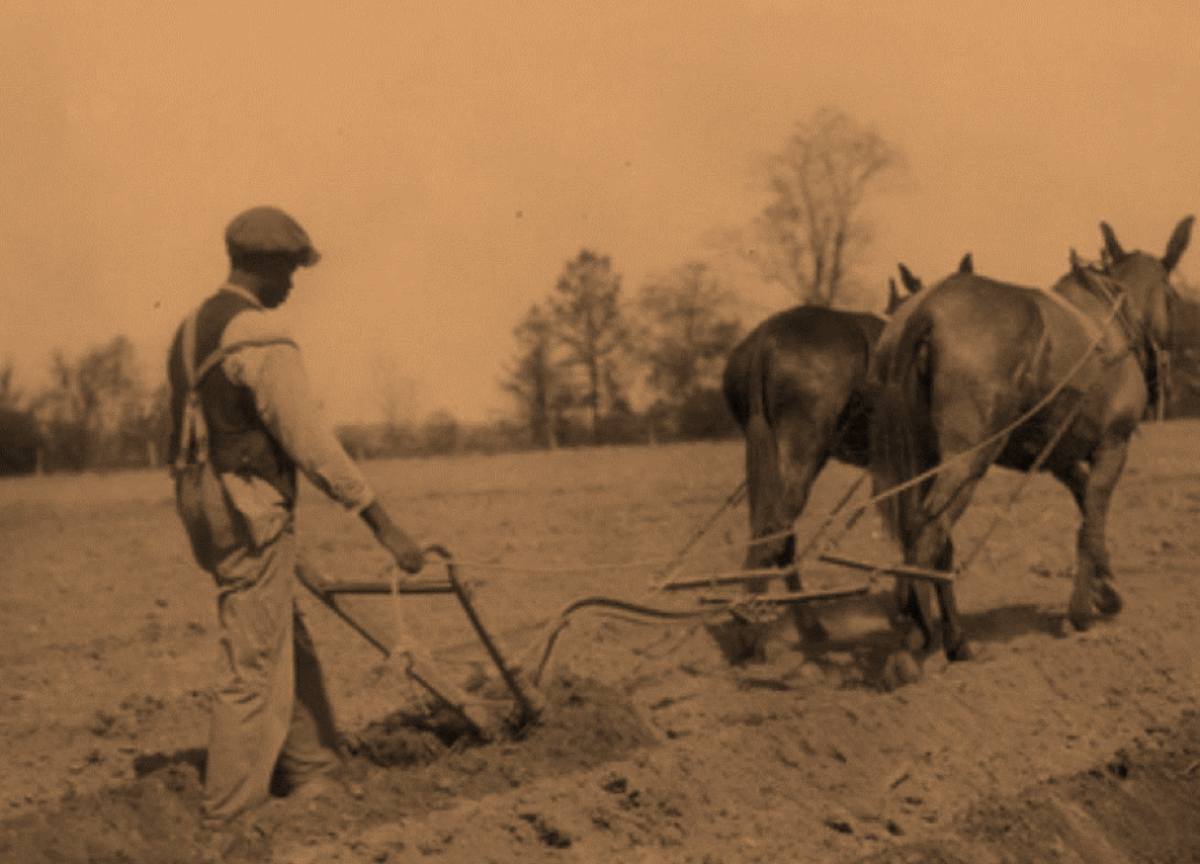
Trauma healing can be compared to the parable of plowing a field – but with a small exception: we MUST look backward for a time2. We must acknowledge that what happened was a sin against us and allow the pain to escape and move forward in time and space. When we bring it forward, we step into and through the manure of the bulls, pulling our plow and moving us forward in life under our guidance.
Similarly, we must recognize that the now unhidden pain is a personal sin against our soul, an insult against ourselves towards our ability to thrive and survive.
When we “confess our sins to one another3,” it is not about attributing blame or self-condemnation. It is not about presenting our misdeeds to God or others for reconciliation.
Instead, we seek a trustworthy individual prepared to lend an ear and assist us in navigating the anguish and tribulation that readily ensnares us. It takes a particular type of person possessing the right character to understand that repressed and hidden wounds need a voice, and sometimes, that voice is ugly.
Those who don’t leave your side during the process are your true friends. The others are either too bamboozled to comprehend what is happening or too broken to help. Or perhaps your current state is useless to them – so they don’t care for your failure to bring sunshine to their world.
Summary
Look back and remember. But recognize these things: it is a painful process; learning new non-trauma coping mechanisms is scary; be sure you have a trained professional to guide you through the process; make sure that person has used their techniques on themselves, that they’re not practicing from a place of non-experiential theory.

- van der Kolk, Bessel. The Body Keeps the Score: Brain, Mind, and Body in the Healing of Trauma. Penguin Publishing Group, 2014. Kindle. (FILLING IN THE HOLES: CREATING STRUCTURES > Page 302 · Location 5782) ↩︎
- Luke 9:62 (Complete Jewish Bible) ↩︎
- James 5:16 (Complete Jewish Bible) ↩︎
 A Recovering Legalist